The ranch economy balances livestock farming, agriculture, and real estate—key sectors vital to global ranching's health and sustainability. Real Estate is a significant aspect due to landholdings and strategic locations. The growing demand for conservation and recreation drives market expansion. The industry faces challenges from urbanization but can adapt through sustainable practices, eco-tourism, and marketing premium natural produce. States incentivize environmentally friendly ranching, and technology streamlines operations. Embracing change while respecting tradition ensures a sustainable future in dynamic real estate landscapes.
The enduring ranching tradition, deeply rooted in many regions’ economies and identities, faces evolving challenges in the modern era. As land use patterns shift and real estate becomes a prominent driver of change, understanding the intricate economic ties between ranching and rural landscapes is crucial. This article delves into the complex relationship, exploring how ranching communities adapt to market forces while preserving their unique way of life. We analyze the impact of real estate development on traditional ranching practices and propose strategies to foster sustainable coexistence, ensuring both economic viability and cultural heritage preservation.
Exploring Ranch Economy: An Overview of Key Industries
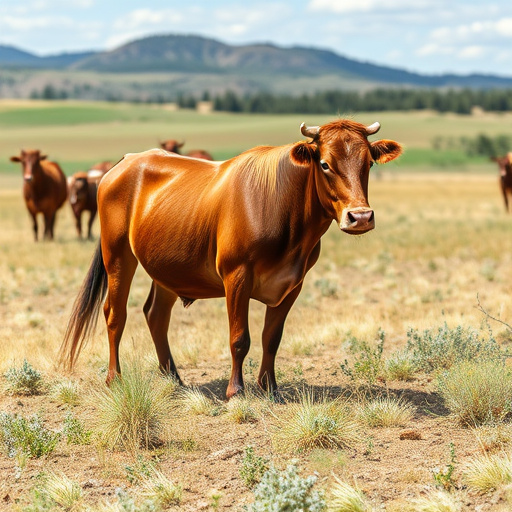
The ranch economy is a complex web of interconnected industries that sustain and support the ranching tradition. At its core, this ecosystem revolves around key sectors such as livestock raising, agriculture, and real estate, each playing a vital role in shaping the financial viability and sustainability of ranches worldwide. According to recent studies, the global ranching industry contributes significantly to GDP, employment, and rural development, highlighting its economic importance.
Livestock farming remains the cornerstone of many ranch operations, with cattle, sheep, and goats serving as primary sources of income through meat, dairy, and wool production. The agriculture component involves crop cultivation for feed, forage, and various commodities, further diversifying revenue streams. Integrating these agricultural practices with responsible land management ensures ecological balance and long-term productivity, making it a crucial strategy for ranch resilience. For instance, successful ranchers in the American West have adopted sustainable farming techniques, converting marginal lands into thriving agro-pastoral systems that support both livestock and native flora.
Real estate is another critical aspect, as ranches themselves are valuable assets due to their expansive landholdings, strategic locations, and unique natural features. The real estate market for ranches has experienced significant growth in recent years, driven by increased demand from conservationists, recreational users, and investors seeking a blend of financial return and lifestyle appeal. This trend underscores the economic diversification potential within the ranch sector, offering opportunities to generate additional revenue through thoughtfully planned land sales or leasing arrangements.
Real Estate & Ranching: Understanding Land Use Dynamics
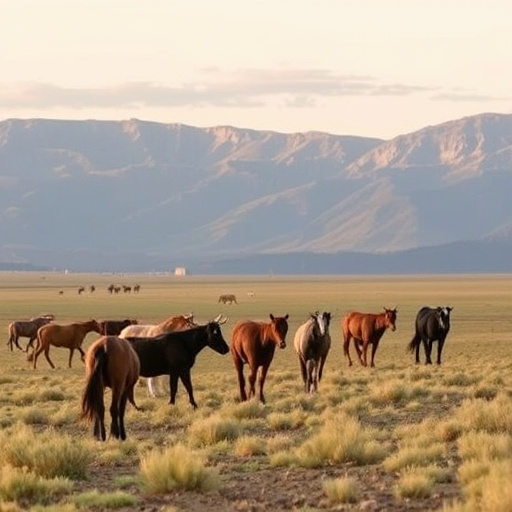
The relationship between economics and ranching traditions is deeply intertwined, particularly when examining the real estate aspect of land use dynamics. Ranching, as a historical and cultural practice, has shaped landscapes and communities across vast regions, influencing the economic viability and development of these areas. Understanding the interplay between ranching and real estate involves recognizing the unique characteristics and challenges inherent in managing and developing rural properties.
Real estate in ranching communities often presents distinct patterns and considerations compared to urban or suburban markets. The primary driver is typically the demand for agricultural land, which has led to a rise in property values and a focus on sustainable land use practices. For instance, in regions like the American West, where expansive rangelands are common, real estate development often caters to both traditional ranchers seeking larger holdings and new investors looking to capitalize on the region’s natural resources. This dynamic creates a delicate balance between preserving ranching heritage and accommodating growing economic interests.
Land use planning plays a pivotal role in managing these dynamics. Experts suggest that sustainable practices, such as conservation easements and land trust agreements, can ensure the long-term viability of ranching operations while facilitating responsible real estate development. By protecting sensitive ecosystems and open spaces, these measures allow for both economic growth and the preservation of cultural traditions associated with ranching. For example, in some states, ranchers can receive financial incentives or tax benefits for implementing sustainable land management practices, fostering a win-win situation for both the environment and local economies.
Preserving Tradition: Challenges and Opportunities in Modern Ranching

Ranching, deeply rooted in the cultural and economic fabric of many regions, faces a complex interplay between tradition and modern realities. The preservation of ranching as a way of life presents unique challenges and opportunities, especially with the dynamic nature of global markets and rapid changes in land use. This section delves into the intricate dynamics, highlighting the importance of balancing historical practices with contemporary demands to ensure the longevity of both ranching traditions and the economic sectors they support.
One of the primary challenges is the evolving landscape of real estate, where urban expansion and development often encroach upon traditional ranching areas. The increase in land values and competition for agricultural land puts pressure on ranchers, particularly younger generations, to adapt or abandon their heritage. However, recognizing the cultural and ecological value of ranching, various initiatives promote sustainable land management practices and conservation efforts. By integrating eco-tourism, organic farming, and responsible stewardship, ranchers can diversify their income streams while preserving their way of life. For instance, many western states in the U.S. offer incentives and grants to encourage land conservation and ranching practices that benefit both the environment and local economies.
Opportunities for growth lie in innovative business models and value-added products. Modern technology offers ranchers tools to streamline operations, improve efficiency, and expand markets. Precision agriculture, data analytics, and online platforms enable direct-to-consumer sales, enhancing profitability. Moreover, there’s a growing demand for locally sourced, premium food products, presenting an opportunity to market high-quality, natural produce from ranches. Collaboration among ranchers, culinary professionals, and local businesses can create unique, authentic brands that capitalize on the public’s appreciation for agricultural heritage. By embracing change while respecting tradition, the ranching industry can forge a sustainable path forward.