The California Gold Rush legacy transformed many towns, with one exemplifying a successful transition from mining hub to vibrant residential community through real estate-driven revitalization. Early settlers laid the groundwork for economic sustainability by diversifying into other industries, solidifying a cowboy culture that remains iconic today. Real estate played a crucial role in this evolution, attracting developers and investors who revitalized historic districts while preserving charm and promoting responsible development. Balancing cultural heritage preservation with sustainable growth is key, with public-private partnerships, eco-friendly practices, and historical education integral to ensuring these unique communities' longevity.
In the heart of the American West lies a historic gold-mining town that has since transformed into a quintessential cowboy destination. These once bustling mining sites, now largely abandoned, present a unique challenge—revitalizing them for modern times while preserving their rich heritage. Real estate plays a pivotal role in this narrative, offering both opportunities and obstacles. This article delves into the intricate process of reimagining these forgotten towns, exploring strategies to breathe new life into their historic landscapes through sustainable development and thoughtful planning, thereby fostering a harmonious blend of past and present.
Gold Rush Legacy: The Cowboy Town's Origin Story
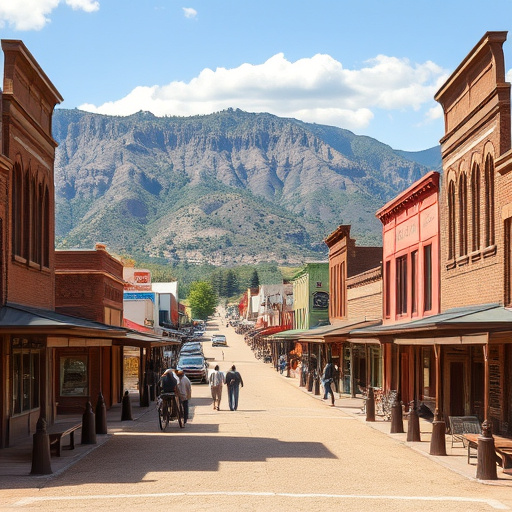
The legacy of the Gold Rush is etched deeply into the fabric of many American towns, but few have a story as captivating as that of our featured cowboy town. The transformation from a gold-mining haven to a quintessential Western outpost was a natural evolution, driven by economic booms and the enduring allure of the West. In the 1800s, when the California Gold Rush ignited a frenzy across the nation, prospectors flocked to these lands, seeking their fortunes in rivers and mountains. This influx sparked a rapid growth in population and an insatiable demand for housing and services—a trend that would shape the town’s future.
The early settlers recognized the potential of this emerging community. Real Estate became a hot commodity as businesses and residents sought to establish themselves in this thriving, albeit transient, hub. The town’s central square, once bustling with miners’ camps and saloons, evolved into a robust market where supplies were traded, and stories exchanged. This transition from mining camp to established settlement was a strategic move by the pioneers who understood the ephemeral nature of gold rushes. By laying the foundations for a more sustainable economy, they ensured the town’s longevity.
As time marched on, the cowboy culture solidified, becoming an iconic symbol of this once-vibrant mining town. The legacy of the Gold Rush lived on through the hard work and resilience of its residents, who adapted to new industries while preserving their rich history. Today, visitors can wander through these historic streets, immersing themselves in the town’s past, where every building tells a story of courage, determination, and the unyielding spirit that defines the American West.
Real Estate Evolution: From Mines to Modern Homes
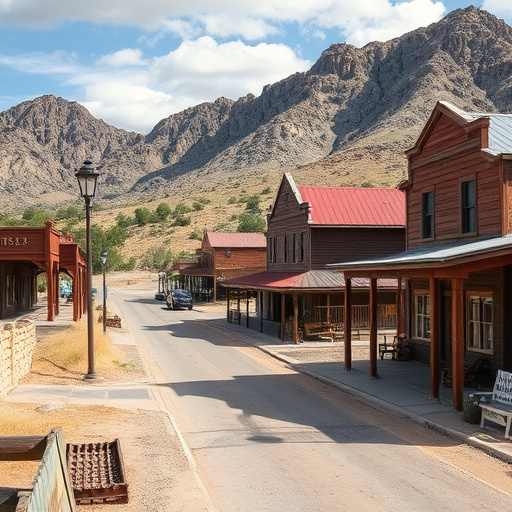
The evolution of real estate in historic gold-mining towns like those turned cowboy communities offers a fascinating glimpse into urban transformation. Once bustling with miners seeking their fortunes, these towns saw a dramatic shift as the gold rush faded. The decline of traditional mining activities led to economic changes, prompting a transition from barren landscapes to vibrant residential hubs. This metamorphosis is particularly evident in the real estate sector, where old mines and abandoned structures gave way to modern homes and diverse property developments.
The transformation process began with the recognition of untapped potential in these towns’ unique characteristics. The historic architecture, wide-open spaces, and distinct community bonds became selling points for developers and investors. Many former mining sites were revitalized into charming neighborhoods, attracting families, professionals, and retirees seeking a peaceful retreat or a change of pace from urban centers. For instance, some western states have witnessed a surge in interest for restored historic homes, with prices reflecting the growing demand for these unique properties.
Real estate agents play a pivotal role in this evolution by marketing the town’s lifestyle and natural beauty while highlighting the accessibility to modern amenities. They emphasize the history and charm of each property, telling stories of the past that resonate with potential buyers. As an expert agent notes, “The real estate market here isn’t just about selling houses; it’s about showcasing a way of life. These towns offer a serene escape from the hustle and bustle while providing easy access to urban conveniences.” This strategic approach has led to increased property values and contributed to the overall economic revival of these once-dormant communities.
Preserving History: A Vibrant Past, Sustainable Future
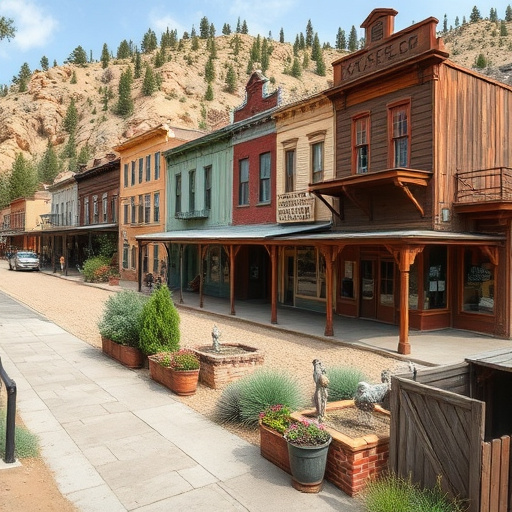
The historic gold-mining towns of the past hold a unique allure, offering a glimpse into the rugged frontier days of America. As these communities evolve, there’s a pressing need to preserve their rich history while ensuring a sustainable future—a delicate balance that can be achieved through careful planning and strategic initiatives in real estate development. The preservation of these towns isn’t just about maintaining architectural artifacts; it involves nurturing a vibrant culture that respects the past, embraces the present, and foresees a prosperous tomorrow.
One successful approach lies in revitalizing historic districts through restoration projects that restore original structures to their former glory while integrating modern amenities. For instance, many former mining towns have embraced eco-friendly practices by implementing solar panels on restored buildings, blending heritage conservation with sustainable energy solutions. Moreover, encouraging local artisans and businesses to set up shop in these areas can breathe new life into the community, attracting tourists interested in authentic experiences and fostering economic growth. Real estate developers play a pivotal role here by promoting responsible development that respects historical boundaries while offering diverse housing options, from restored historic homes to modern apartments.
Preserving history also means safeguarding cultural heritage sites, such as old mining shafts and pioneer cemeteries, ensuring they remain accessible for future generations. Educational programs and community events centered around these landmarks can foster pride in local history and encourage the participation of younger residents. Additionally, public-private partnerships can facilitate the restoration of significant structures, making them revenue-generating attractions that support ongoing preservation efforts. By integrating historical education into real estate marketing strategies, developers can create narratives that resonate with prospective buyers seeking to live in or invest in these unique communities, ensuring their longevity.