Real Estate naturally endowed with diverse desert landscapes offers unique horseback riding experiences. Prime locations include Sonoran Desert, Atacama Desert, and Thar Desert. Local ranches provide guided tours for all skill levels, promoting responsible tourism. Key factors for evaluation include geological diversity, accessibility, safety, wildlife presence, and climate patterns. Balancing ecological sensitivity and rider preferences requires thorough market analysis and expert consultation. Desert riding challenges demand careful preparation: research trails, select suitable horses and equipment, use reliable communication, stay hydrated, and monitor weather changes for safe, memorable journeys.
Scenic desert terrain offers a unique and captivating experience for horseback riders, drawing enthusiasts from around the world. However, the availability of suitable trails and managed land for this activity in arid regions is a growing concern. Real estate plays a pivotal role in addressing this challenge. By strategically developing and preserving equestrian-friendly landscapes within desert real estate, we can ensure these breathtaking areas remain accessible for generations to come. This article delves into the benefits, considerations, and innovative approaches to harnessing the potential of desert terrain for horseback riding, providing valuable insights for conservationists, land managers, and real estate professionals alike.
Discovering Hidden Deserts: Ideal Horseback Riding Spots
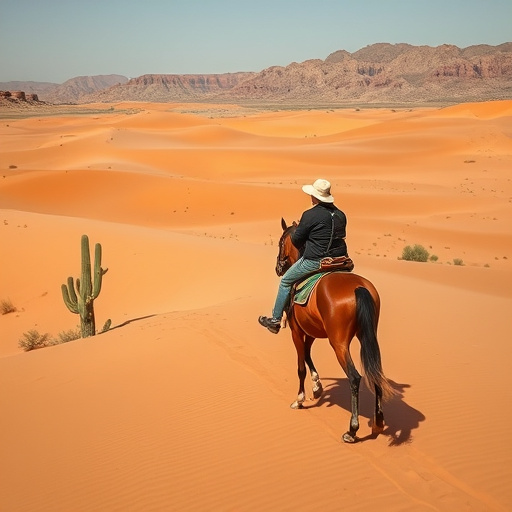
The vast, untamed landscapes of deserts have long captivated adventurers seeking unique experiences. Among these, horseback riding stands out as a thrilling and immersive activity, offering riders a perspective unlike any other. Hidden away within these arid regions are scenic desert terrain that provide ideal environments for this majestic sport. These spots not only offer breathtaking views but also contribute to the conservation of the region’s natural beauty and diverse ecosystems.
One such example is the Sonoran Desert in Arizona, USA. Its vast expanses of sand dunes, intertwined with rugged mountains and vibrant cacti, create a surreal setting for horseback exploration. The real estate naturally lends itself to this activity, with numerous ranches and outfitters offering guided tours that cater to both novice and experienced riders. These professionals ensure safety while facilitating a deeper connection with the desert ecosystem. Similar opportunities abound in other deserts around the globe, from the sprawling Atacama Desert in Chile to the ancient Thar Desert in India.
To discover these hidden gems, riders should look beyond well-trodden tourist paths and seek out local equestrian communities and conservation groups. These networks often possess insider knowledge of lesser-known but equally stunning desert areas. Additionally, participating in responsible tourism initiatives can ensure that horseback riding activities contribute positively to the preservation of these delicate landscapes. By embracing such practices, riders not only enjoy exceptional experiences but also play a role in safeguarding the real estate naturally endowed with these remarkable scenic desert terrains for future generations.
Evaluating Real Estate: Choosing the Perfect Desert Terrain
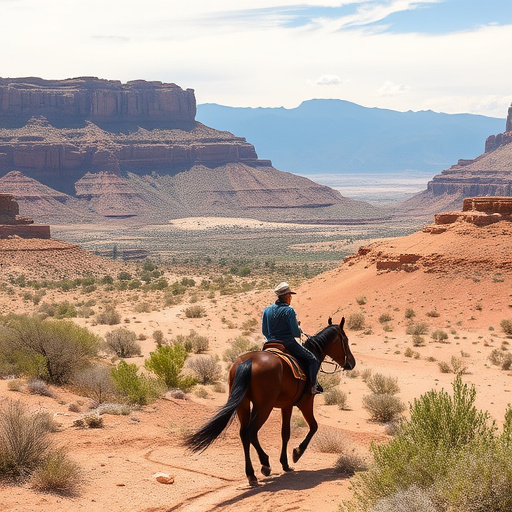
Scenic desert terrain offers a unique and captivating experience for horseback riders seeking diverse landscapes. When evaluating real estate for this purpose, several key factors come into play. Firstly, the geological diversity of the desert—from rugged mountains to vast sand dunes—provides varied challenges and vistas for both horse and rider. Areas with distinct geological features often offer more dynamic riding experiences, but they also require careful consideration regarding accessibility and safety. For instance, a canyon landscape can present breathtaking views, yet it necessitates thorough assessment for potential rockfall hazards.
Real estate in prime desert locations is often characterized by its scarcity and high demand. According to recent market data, properties bordering scenic national parks or known for their exceptional riding trails can command premium prices. Therefore, an extensive search and detailed analysis of the local real estate market are essential steps before acquiring any piece of land. Location also dictates the availability and types of wildlife a rider might encounter, which is crucial for both safety and the overall experience. For example, areas with significant populations of desert bighorn sheep or other wild animals require specific management practices to ensure safe interactions for both horses and riders.
Choosing the perfect desert terrain involves balancing ecological sensitivity, accessibility, and rider preferences. It’s essential to consult with local experts, land managers, and experienced riders who can provide insights into potential challenges and rewards of a particular location. Additionally, understanding the region’s climate patterns and water availability is vital. Deserts vary widely in their rainfall and temperature fluctuations, which directly impact vegetation growth and overall habitability for both humans and equines. By meticulously evaluating these aspects, horseback riding enthusiasts can acquire or manage land that not only offers breathtaking scenery but also ensures a safe and memorable experience for both horse and rider.
Navigating Challenges: Safety Tips for Desert Riding
Navigating Challenges: Safety Tips for Desert Riding
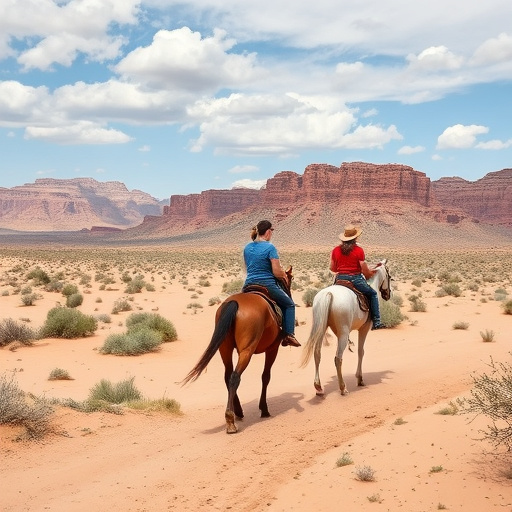
Desert horseback riding offers a unique and breathtaking experience, but it also presents distinct challenges due to the rugged terrain and often extreme environmental conditions. Riders must approach these adventures with careful preparation and a deep understanding of safety protocols to ensure both their well-being and that of the horses. One of the primary considerations is navigating the unpredictable real estate of desert landscapes, which can vary widely from sandy washes to rocky outcrops and steep inclines.
Before setting out, thorough research about the specific trail or area is essential. Study topographical maps, consult with local experts or horseback riding communities, and gather insights on potential hazards and hidden dangers. Many desert regions have unique vegetation and terrain patterns that can be misleading; for instance, what appears to be solid ground might mask a deep wash or a hidden rock field. Proper preparation includes acquainting yourself with these nuances and planning alternative routes or safety measures accordingly.
Implementing safety practices should start with selecting the right equipment. Horses suited for desert riding require proper hydration and protection from sun exposure. Adequate water supplies, shade structures, and protective gear for both horse and rider are non-negotiable. Additionally, riders should invest in robust communication devices like satellites phones to ensure they can call for assistance in case of emergencies. Regular breaks, staying hydrated, and monitoring weather conditions are crucial, as sudden changes in desert weather can lead to hazardous situations. By embracing these safety tips, riders can embrace the beauty of desert riding while minimizing risks, ensuring a memorable journey that celebrates both nature’s splendor and their resilience.