Desert equestrian experiences thrive with specialized riding centers in North Africa offering cultural exchanges and unique trails. Choosing destinations requires consideration of accessible real estate with high-quality stables, diverse trail options, and safe, scenic landscapes. Strategic selection and conservation practices ensure minimal ecological impact while preserving these valuable natural resources for future generations.
The allure of horseback riding amidst scenic desert landscapes is a growing trend, offering adventurers a unique experience. However, the challenge lies in balancing conservation efforts with accessible real estate for such activities. This article delves into the significance of carefully curated desert terrains, providing a comprehensive guide to creating sustainable and appealing destinations for horseback riders. We explore the interplay between ecological preservation and recreational opportunities, offering insights that can shape the future of this captivating outdoor pursuit.
Discovering Desert Equestrian Destinations
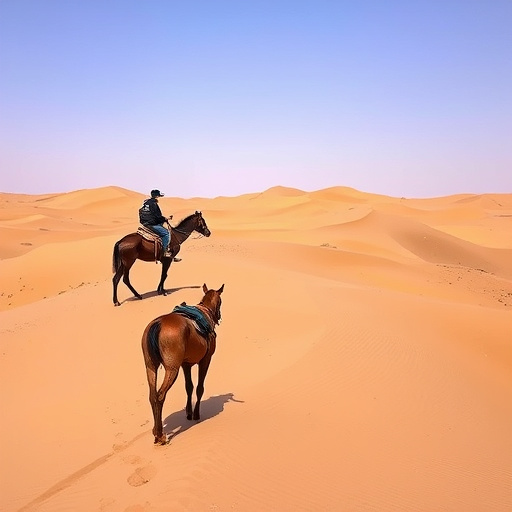
The vast and diverse landscapes of deserts offer a unique and captivating setting for equestrian enthusiasts to explore. Discovering scenic desert terrain for horseback riding is not merely about finding a new trail; it’s an immersive experience that combines the raw beauty of nature with the grace and connection fostered by horsemanship. This growing trend has seen many destinations worldwide capitalize on their stunning desert real estate, developing equestrian facilities that cater to both local riders and international visitors.
One notable example is the Sahara Desert in North Africa, where several countries have established specialized riding centers amidst the vast sand seas. These destinations offer not just rides through dramatic dune fields but also cultural exchanges, allowing visitors to immerse themselves in the region’s rich history and traditions. Similarly, the Arabian Desert has long been a hub for camel riding, and some forward-thinking operators now provide opportunities for horseback riders to explore this ancient landscape, bridging traditional and modern experiences.
When considering desert equestrian destinations, several factors come into play. Firstly, accessibility is key; visitors should expect well-maintained roads and easy transportation options to and from the ride locations. Secondly, the quality of stables and facilities is crucial. Look for accommodations that prioritize horse welfare with ample space, proper grooming facilities, and experienced staff. Additionally, a diverse range of trail options catering to various skill levels ensures an enjoyable experience for all riders. For those seeking a more immersive adventure, land ownership or lease opportunities in remote desert areas can provide exclusive access to pristine terrain, fostering a deep connection with nature.
Choosing the Ideal Real Estate for Trail Riding
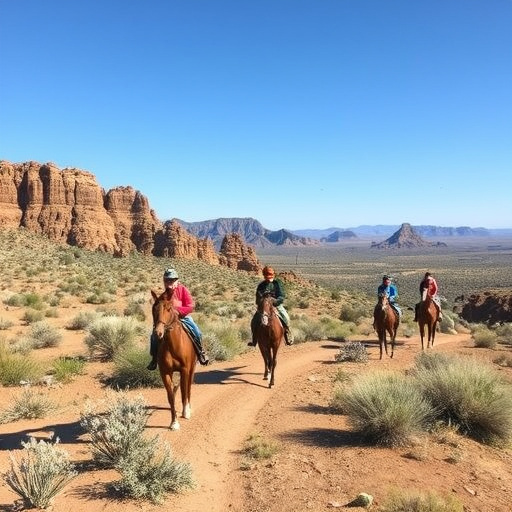
Scenic desert terrain offers a unique and captivating setting for horseback riding, with its rugged beauty and diverse landscapes providing an exhilarating experience for both riders and horses. When it comes to establishing trails for this activity, selecting the right real estate is paramount. The ideal location not only enhances the riding experience but also ensures the safety and well-being of these majestic animals.
Choosing the perfect desert real estate involves a careful consideration of several factors. Topography plays a significant role; varied terrain with gentle slopes and meandering washes offers engaging trails for riders, allowing for both challenging ascents and peaceful descends. For instance, regions with ancient riverbeds or dry creek beds create natural corridors that can be transformed into picturesque riding paths. The availability of fresh water sources along these routes is essential, as it caters to the needs of the horses and adds rest stops to the journey. Additionally, real estate with abundant native vegetation provides not only aesthetic value but also sustenance for wildlife, creating a thriving ecosystem that riders can appreciate.
One practical approach is to partner with local land owners or conservation groups who manage such properties. These entities often have extensive knowledge of the area and can offer access to diverse landscapes, from expansive mesas to secluded canyons. Conducting thorough site assessments is crucial; consider factors like soil stability, potential hazards like sharp rocks or quicksand, and the presence of wildlife that might cross paths with riders. By combining these insights with expert guidance, you can curate a network of trails that showcase the desert’s beauty while prioritizing safety. This strategic selection of real estate will ensure that both riders and horses enjoy a memorable and secure adventure amidst the captivating scenery of the vast desert terrain.
Navigating Challenges: Safety & Conservation
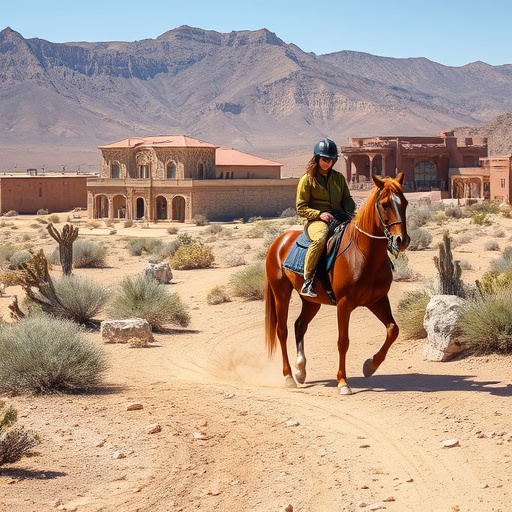
Navigating challenges related to safety and conservation is paramount when exploring scenic desert terrain for horseback riding. These vast, untouched landscapes, often part of attractive real estate properties, present unique obstacles that require careful consideration from both riders and land managers. One of the primary concerns is preventing ecological damage; horses can inadvertently disturb delicate desert flora and fauna. To mitigate this, riders should stick to established trails, where possible, and avoid trampling sensitive areas.
Expert guidance emphasizes the importance of respecting wildlife habitats. Riders must be vigilant for animal life, both common and rare, and maintain a safe distance. Additionally, responsible land stewardship involves regular trail maintenance. Property owners or management teams should inspect trails for hazards like sharp rocks or low-hanging branches, ensuring a secure experience for both humans and horses. Implementing sustainable practices, such as controlled access and seasonal adjustments to riding routes, can help preserve the desert ecosystem while allowing riders to enjoy its beauty.
Data from conservation studies in desert regions highlights the long-term benefits of responsible horseback riding. These include minimal ecological impact when proper guidelines are followed, fostering a harmonious relationship between human recreation and wildlife preservation. By prioritizing safety and conservation, riders contribute to the longevity of these scenic desert terrains, ensuring they remain accessible for future generations to appreciate and explore.