Desert horseback riding offers unique adventures through diverse ecosystems and stunning landscapes, facilitated by vast, accessible real estate naturally suited for trail development. Key advantages include minimal human interference, scenic geological features, and immersive experiences. Local clubs and tour operators provide guidance on best trails and logistics, ensuring safety and environmental respect. Planning essential for desert equestrian adventures includes proper packing, hydration, and adherence to guidelines. Ideal terrains balance breathtaking landscapes with accessible real estate, focusing on proximity to urban centers, local riding communities, and responsible stewardship. Navigating harsh conditions requires meticulous planning, specialized safety measures, heat management, navigation tools, and clear route marking for safe, exhilarating experiences showcasing nature's rugged beauty.
The allure of horseback riding amidst scenic landscapes is undeniable, especially for those seeking adventure and connection with nature. However, the availability of suitable terrain limits this experience, particularly in arid regions. Herein lies a pressing need to explore and develop real estate that offers both stunning desert vistas and safe, accessible trails for equines. This article delves into the significance of integrating horseback riding opportunities into carefully curated desert landscapes, presenting a transformative solution for enthusiasts and land developers alike.
Discovering Unique Desert Trails for Equestrian Adventures
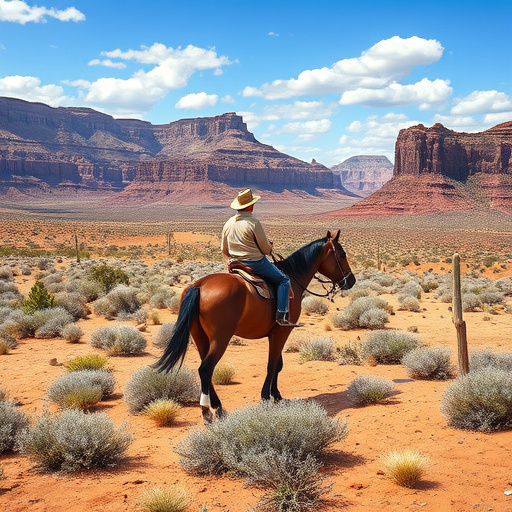
The vast, untamed landscapes of deserts offer a unique and captivating setting for horseback riding enthusiasts. Unlike traditional forests or mountains, desert terrain presents a challenge and an opportunity to explore diverse ecosystems while enjoying the thrill of riding through rare, scenic beauty spots. These arid environments are home to distinctive plant life, dramatic geological formations, and wildlife that are rarely witnessed in more temperate climates. Equestrian adventurers can discover hidden trails that meander through these natural wonders, offering an immersive experience that combines the joy of horseback riding with a deeper connection to nature.
One of the key advantages of desert equestrianism is the availability of vast stretches of real estate naturally suited for trail development. Unlike crowded urban areas or heavily forested regions, deserts often have less human interference, allowing for the creation of extensive, well-marked trails that cater to riders of all levels. These trails can showcase the region’s unique geological features, such as sand dunes, rock formations, and dry riverbeds, providing a sensory experience unlike any other. For instance, in areas like Arizona’s Sonoran Desert or Utah’s Red Rock Country, equestrian organizations have meticulously crafted networks of trails that showcase these natural wonders while ensuring minimal environmental impact.
To embark on this type of adventure, riders should consider seeking guidance from local horseback riding clubs or tour operators who specialize in desert excursions. These experts can provide valuable insights into the best trails for various skill levels and offer recommendations based on current conditions. They may also assist with logistics, including permitting and access to remote areas, ensuring a safe and enjoyable experience. When planning your desert equestrian adventure, it’s crucial to pack appropriately, stay hydrated, and respect the environment by adhering to established trail guidelines. Embrace the challenge of navigating through unique terrain and immerse yourself in the silent beauty of these often-overlooked landscapes.
Choosing the Ideal Location: Real Estate Meets Riding Paradise

When seeking scenic desert terrain for horseback riding, the ideal location is not just about breathtaking landscapes; it’s a harmonious blend of natural beauty and accessible real estate. The best spots offer not only diverse terrains like sand dunes, rocky outcrops, and verdant oases but also well-maintained stables, safe trails, and convenient access for riders. For instance, consider the iconic Mojave Desert in California, renowned for its vast expanses and varied ecosystems. Here, strategic planning and a keen eye for real estate can unlock riding experiences that range from tranquil morning rides through wildflower fields to adventurous excursions across rugged mountains.
Key factors in choosing the ideal location include proximity to urban centers for easy accessibility, availability of local riding communities for social interaction, and government regulations governing land use. For example, states like Arizona and Nevada boast robust real estate markets with plenty of desert properties suitable for equestrian pursuits. However, careful assessment is crucial due to varying climate conditions and wildlife habitats. Data from the U.S. Census Bureau and National Land Conservation Foundation can provide insights into land ownership patterns and conservation efforts, guiding potential buyers or leaseholders toward the most promising areas.
Moreover, engaging with local land managers, riding clubs, and real estate professionals is vital. They offer valuable knowledge about trail conditions, water availability, and any specific permits required. For instance, some public lands may be open to horseback riding while others have strict regulations. Collaborating with experts ensures a safe and enjoyable experience without causing environmental harm. Ultimately, the perfect desert riding paradise combines stunning landscapes, accessible real estate, and responsible stewardship—a true rider’s dream come true.
Navigating Challenges: Safety Tips for Desert Horseback Riding

Navigating Challenges: Safety Tips for Desert Horseback Riding
The vast, rugged terrain of deserts presents a unique set of challenges for horseback riders. Unlike lush landscapes, desert real estate demands a heightened sense of awareness and specialized safety protocols due to its extreme climate conditions, unpredictable terrain, and potential hazards. Riders must prepare thoroughly, equipping themselves with knowledge and the right gear to navigate successfully and safely through these demanding environments.
One primary concern is heat management. Desert temperatures can soar, posing risks of heat exhaustion and dehydration for both horses and riders. Riding during cooler parts of the day, such as early mornings or evenings, becomes crucial. Additionally, providing adequate water breaks, ensuring proper hydration for both horse and rider, and incorporating rest periods in shaded areas are essential safety measures. Proper horsemanship, including understanding your horse’s behavior in hot conditions, can prevent accidents and heat-related incidents.
Navigation is another key challenge. Desert landscapes often lack distinct landmarks, making it easy to become disoriented. Utilizing topographical maps, GPS devices, or experienced guides who know the local terrain is vital. Riders should also mark their route beforehand, establishing clear paths and return points. Regular communication with fellow riders or a central contact is essential for safety, especially in remote areas where rescue services may be limited. By combining these strategies, desert horseback riding can become an exhilarating adventure that showcases the beauty of nature while ensuring the well-being of both horse and rider.